
Simple Ways to Reduce Household Paper Clutter Effectively
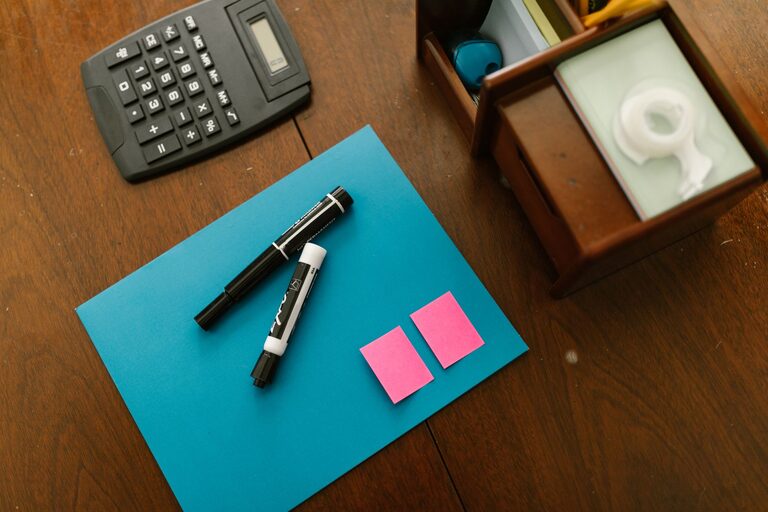
Keeping your home organized can sometimes feel like a never-ending battle, especially when it comes to paper clutter. From mail and receipts to school papers and bills, the stacks of paper can quickly pile up, creating chaos and stress. Fortunately, reducing household paper clutter doesn’t require drastic measures or expensive tools. With simple and consistent habits, you can regain control and enjoy a tidier living space. Here are some effective strategies to help you manage and minimize paper clutter in your home.
Why Reducing Paper Clutter Matters
Paper clutter not only takes up physical space but also adds to mental clutter. When your surfaces are covered with stacks of paper, it’s easy to feel overwhelmed and distracted. Simplifying paper management helps you:
– Save time searching for important documents
– Create a cleaner and more inviting space
– Reduce stress and improve focus
– Make recycling and disposing of unwanted papers easier
Step 1: Create a Dedicated Paper Station
Designate a specific area in your home for handling mail and papers. This can be a small table, a wall-mounted organizer, or a desktop tray. Having a dedicated spot prevents papers from spreading throughout the house and keeps everything in one place.
Tips for Your Paper Station
– Include labeled compartments for incoming mail, bills, and documents to file.
– Keep a shredder or recycling bin nearby to dispose of unneeded paper immediately.
– Add basic supplies like pens, a stapler, and sticky notes for quick actions.
Step 2: Sort and Process Papers Immediately
One of the most effective ways to avoid paper buildup is to handle papers as soon as they arrive. Set aside a few minutes daily or several times a week to review and sort new papers.
The Four-Box Method
Use four labeled boxes or folders to sort papers:
- **Action Needed:** Bills to pay, forms to fill out, or calls to make.
- **To File:** Important documents that must be kept.
- **To Shred:** Sensitive papers that are no longer needed.
- **Recycle:** Junk mail and other papers without personal information.
By processing papers regularly, you prevent piles from forming and know exactly what needs your attention.
Step 3: Go Digital Whenever Possible
Reducing the amount of paper you receive and keep is key to long-term clutter control. Moving to digital alternatives can help:
– Opt for e-billing to reduce incoming paper bills.
– Scan important documents and store them securely on a computer or cloud service.
– Use apps to digitize receipts and warranties.
– Subscribe to digital newsletters and statements to avoid physical mail.
Be sure to back up important digital files and organize them into clearly labeled folders for easy access.
Step 4: Use Filing Systems That Work For You
A good filing system makes storing and finding papers simple. You don’t need an elaborate setup—just something that fits your space and habits.
Filing System Ideas
– Use a portable file box or accordion folder with labeled sections.
– Color-code folders by category (e.g., bills, medical, school, insurance).
– Keep only essential paperwork, and purge outdated documents regularly.
– Schedule a monthly check-in to keep files current.
Step 5: Limit Paper Coming Into Your Home
Cutting down paper starts before it even reaches your door.
– Unsubscribe from unwanted catalogs and junk mail via online services.
– Ask for receipts and statements in digital form when possible.
– Encourage family members to follow paper-reducing habits.
Step 6: Declutter Regularly
Set routine times to go through your paper files and get rid of anything unnecessary. This prevents accumulation and helps maintain control.
How to Declutter Paper
– Recycle old magazines, coupons, and flyers.
– Shred sensitive papers that are no longer needed.
– Archive or digitize documents you want to retain but don’t need frequent access to.
– Teach family members to sort their own papers daily.
Extra Tips to Stay Organized
– Use a memo board or calendar to track deadlines and important dates, reducing the need for sticky notes.
– Keep a small notebook or digital app to jot down quick notes instead of paper scraps.
– Encourage a “one-in, one-out” rule where you recycle one paper item for every new one you bring in.
Conclusion
Reducing household paper clutter is a simple process when you develop consistent habits and use practical tools. By creating a dedicated station, handling papers promptly, going digital, and limiting incoming paper, you can keep your home organized and stress-free. Start small, stay consistent, and enjoy the benefits of a clutter-free environment.