How to Start a Small Herb Garden Indoors: A Beginner’s Guide
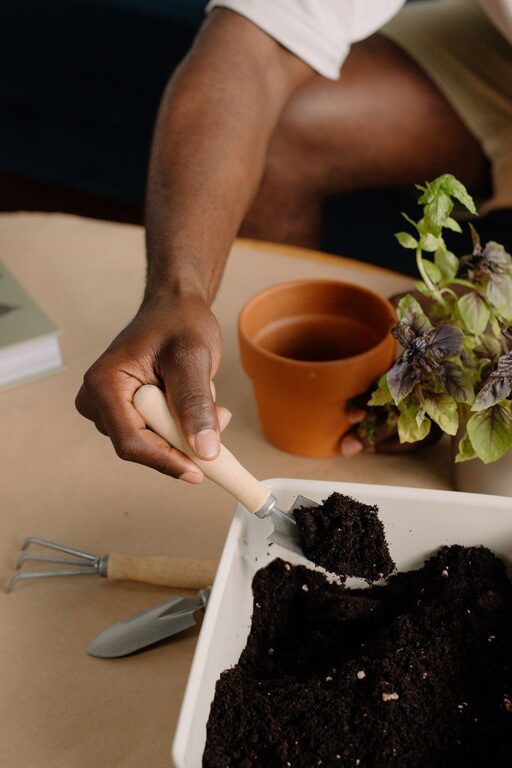
Growing an indoor herb garden is a rewarding way to bring fresh flavors into your kitchen and add a touch of green to your living space. Whether you have a sunny windowsill or a small corner of your home, starting a small herb garden indoors is easier than you might think. This guide will walk you through everything you need to know to get started, from choosing the right herbs to caring for them as they grow.
Why Grow Herbs Indoors?
Growing herbs indoors offers many advantages. Fresh herbs are always within reach for cooking, teas, or garnishing. Indoor gardens can improve air quality, brighten up your home décor, and provide a satisfying hobby. Plus, you don’t have to worry about outdoor pests or unfavorable weather.
Choosing the Right Herbs for Indoor Gardening
Not all herbs thrive indoors, so it’s important to pick varieties suited for container growing and indoor conditions. Some great beginner-friendly herbs include:
– Basil: Loves warmth and sunlight, perfect for windowsills.
– Parsley: A versatile herb that grows well indoors with moderate light.
– Mint: Hardy and fast-growing but best kept isolated because it spreads easily.
– Thyme: Requires bright light and well-drained soil.
– Chives: Tolerant of partial light and easy to grow.
– Cilantro: Prefers cooler temperatures but can grow indoors with sufficient light.
What You’ll Need to Start Your Indoor Herb Garden
Gathering the right materials will set you up for success:
- **Containers**
Choose pots with drainage holes to prevent waterlogging. You can use traditional pots, small planters, or even repurposed containers like jars or tins—just make sure they allow excess water to escape.
- **Potting Mix**
Select a light, well-draining potting mix designed for herbs or vegetables. Avoid heavy garden soil, which can retain too much moisture.
- **Herb Seeds or Starter Plants**
Begin with either seeds or young plants from a garden center. Starter plants produce herbs faster, while seeds offer more variety and are cost-effective.
- **Location with Adequate Light**
Most herbs require 6 to 8 hours of sunlight daily. A south-facing window is ideal. If natural light is limited, consider using a grow light.
- **Watering Can or Spray Bottle**
Consistent but moderate watering is key. A spray bottle helps keep the soil moist without overwatering.
Step-by-Step Guide to Starting Your Garden
Step 1: Select Your Spot
Find a bright, warm place in your home where your herbs will receive plenty of indirect sunlight. Avoid areas with drafts or sudden temperature changes, such as near heating vents or air conditioners.
Step 2: Prepare Your Containers
Fill your pots with potting mix, leaving about an inch of space at the top. If using containers without holes, add a layer of small stones at the bottom to improve drainage.
Step 3: Plant Your Herbs
– For seeds: Follow the packet instructions for planting depth and spacing. Gently press seeds into the soil and cover lightly.
– For starter plants: Gently remove the plant from its nursery pot, loosen roots if needed, and plant it in the new container at the same soil depth.
Step 4: Water Lightly
After planting, water thoroughly until water drains from the bottom. Then monitor soil moisture daily; water when the top inch feels dry. Avoid overwatering, which can cause root rot.
Step 5: Provide Proper Light
Place your herbs in the chosen spot. If natural sunlight is insufficient, use a grow light set on a timer for 12–16 hours daily to mimic natural conditions.
Step 6: Maintain Your Herb Garden
– Fertilize occasionally: Use a balanced, water-soluble fertilizer every 4-6 weeks.
– Prune regularly: Snip off leaves to encourage bushier growth and harvest fresh herbs.
– Watch for pests: Indoor herbs can attract aphids or spider mites. Wipe leaves with a damp cloth or use mild insecticidal soap if needed.
– Rotate pots: Turn your containers occasionally to ensure even growth.
Tips for Success
– Start with easy herbs like basil or mint if you’re new to gardening.
– Clean your pots before reuse to prevent disease.
– Avoid placing herbs near fruit bowls — ethylene gas from fruit can cause herbs to wilt prematurely.
– Label each pot to keep track of different herbs.
– Enjoy experimenting with different herbs and growing conditions as you gain confidence.
Harvesting Your Herbs
Harvest your herbs by pinching or cutting the leaves or stems. Always leave enough foliage for the plant to keep growing. Morning is the best time to harvest for peak flavor. Use fresh or dry the leaves to store for later use.
Final Thoughts
Starting a small herb garden indoors is a fantastic way to enhance your cooking and bring a bit of nature into your home. With basic supplies, a little patience, and some care, you’ll soon enjoy fresh herbs all year round. Happy gardening!